Upreal Digital

Immersive 3D experiences running instantly in the browser.

Launch high-fidelity WebXR applications accessible on any desktop, mobile, or VR device—no app store downloads required.
Get in touch

Successful businesses we've helped​

Case studies

Less chaos. More sales. Powered by AI & 3D.

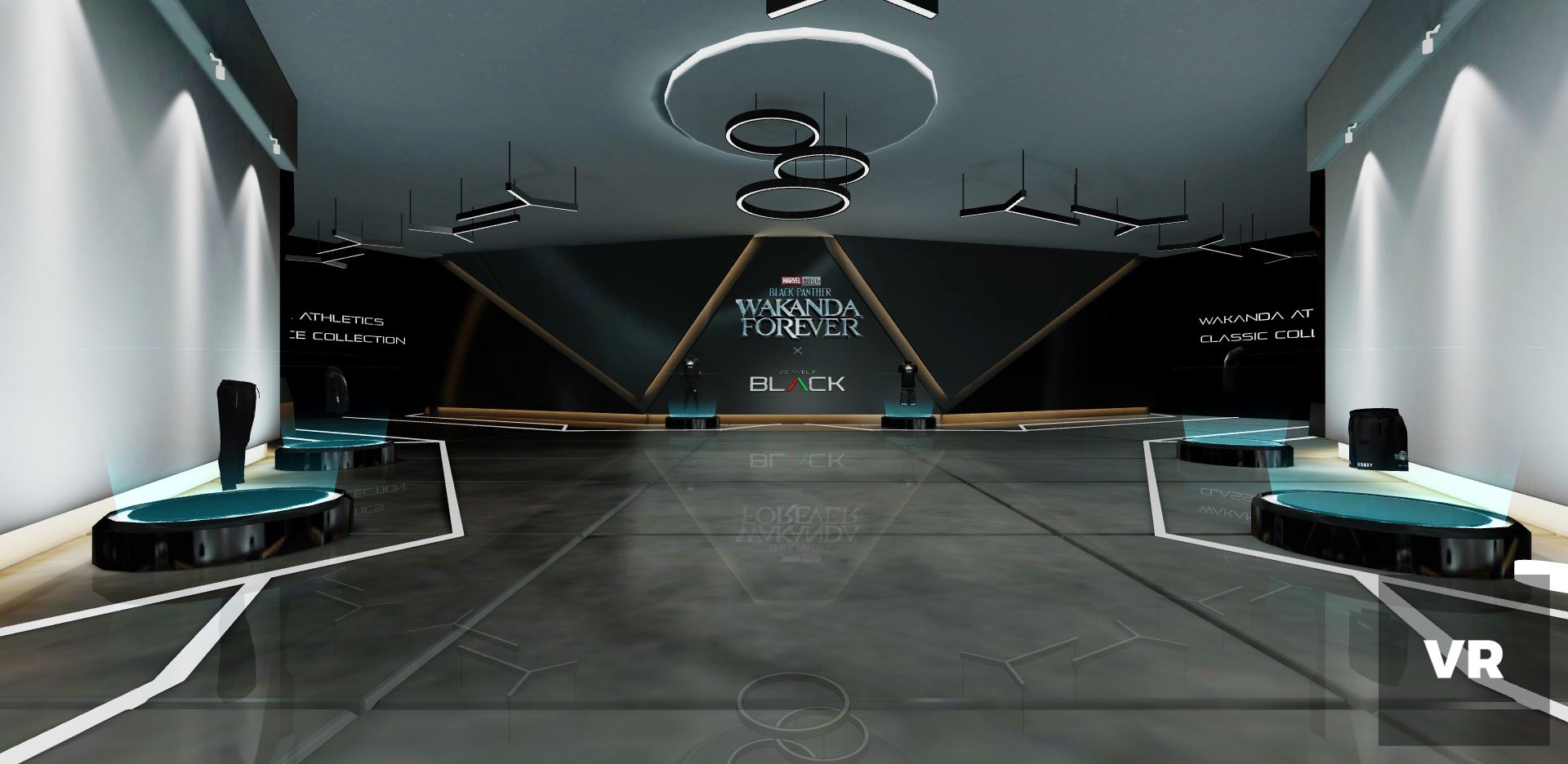
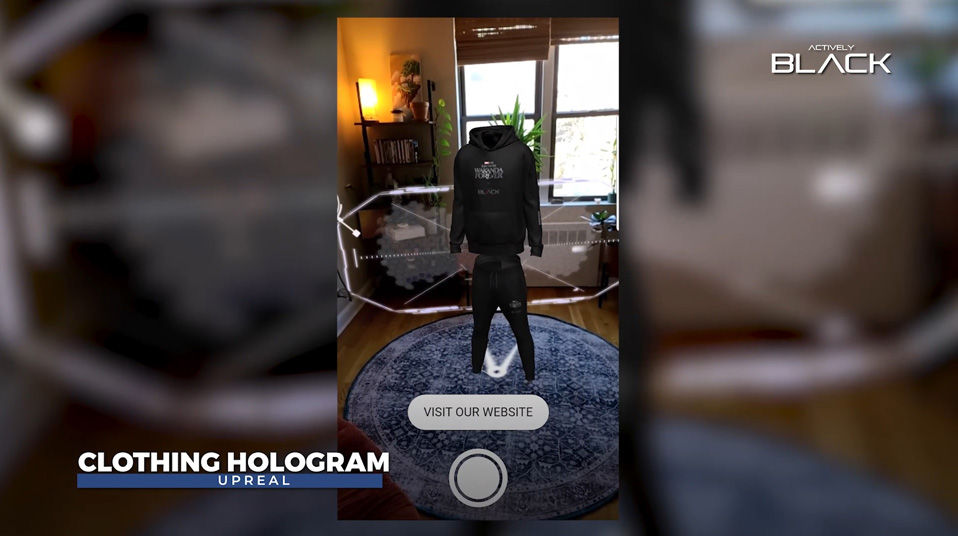
Virtual Clothing Store – WebVR

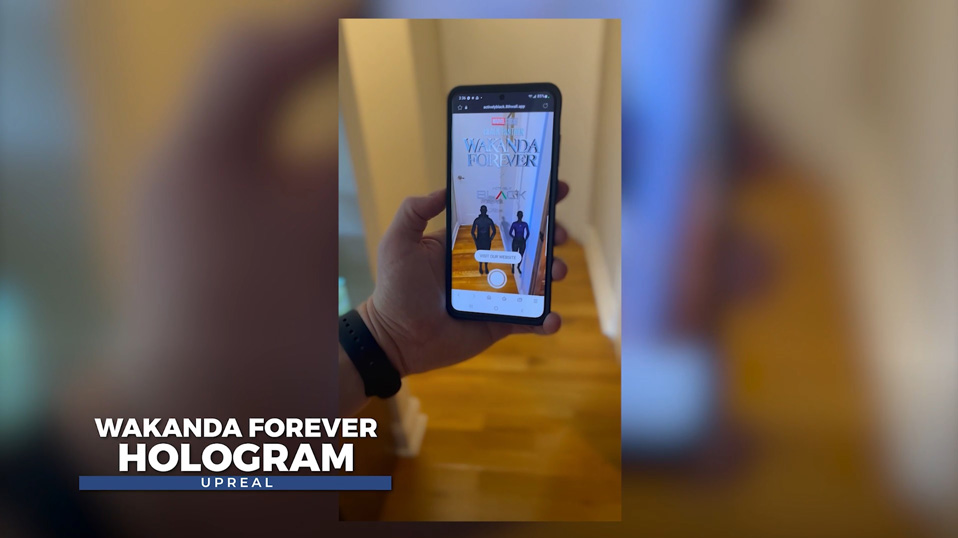
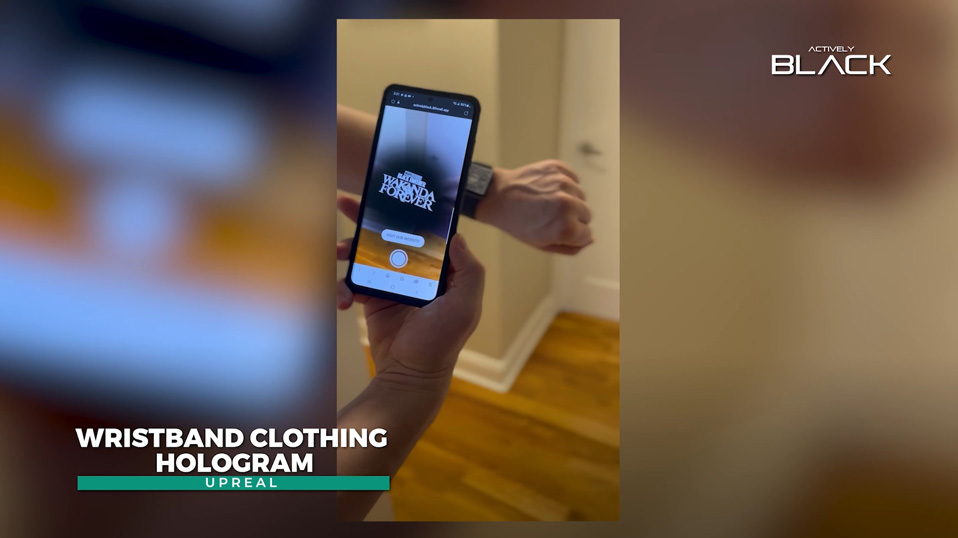
Wristband Clothing Hologram – WebAR

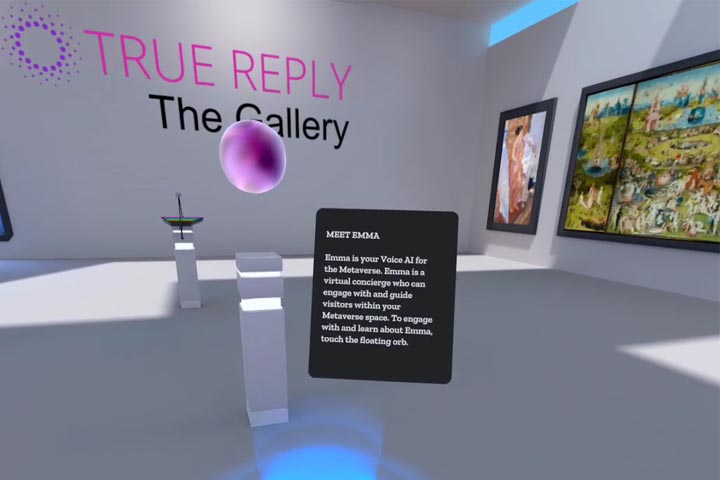
Meet Emma – Web VR

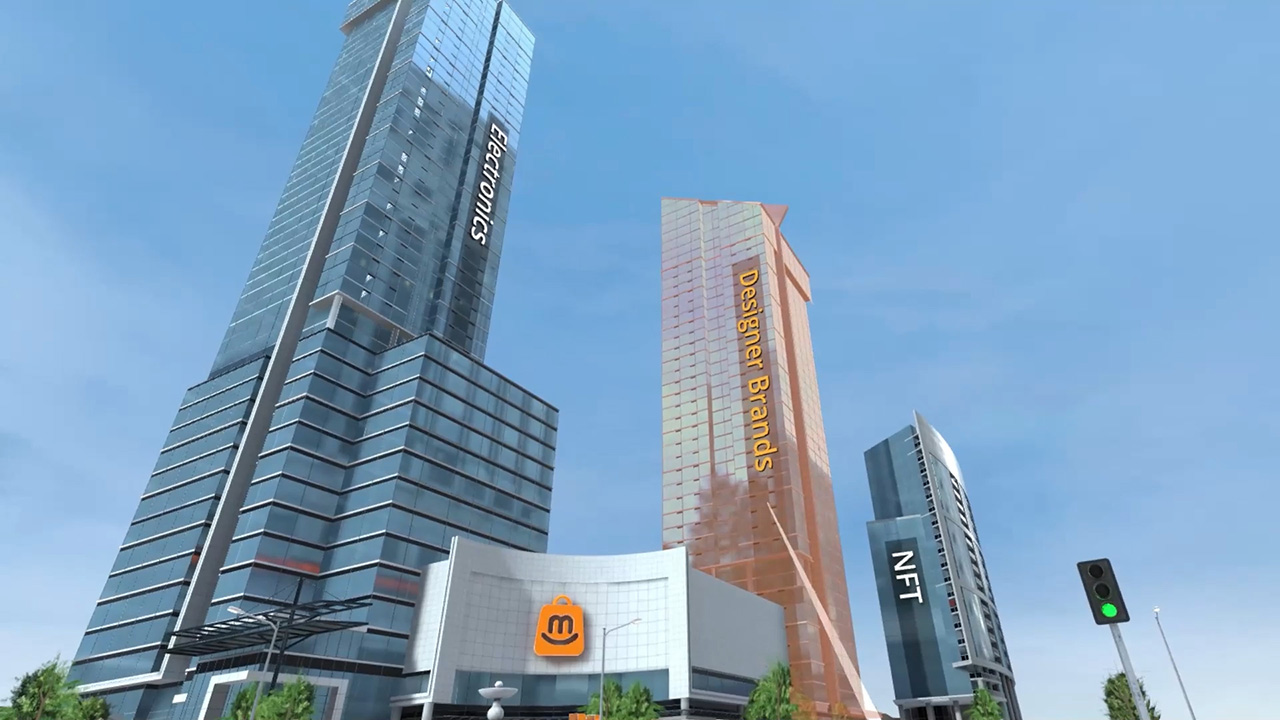
Maza Mall – VR Headset

View all case studies

Zero-friction experiences, deployed instantly

End-to-end WebXR development optimized flawlessly for web browsers across mobile, desktop, and headsets.

Our Battle-Tested Tech Stack

We build exclusively with industry-standard web engines and frameworks to ensure flawless, lightweight real-time deployment.

Play Canvas Web AR

PlayCanvas & Mattercraft

Creation Tools

We use smart web creation tools to build interactive 3D content that fits perfectly onto your website. By using collaborative platforms like PlayCanvas and Mattercraft, we can quickly map out immersive spaces and code custom mechanics completely within a web-native pipeline.

Model Viewer

Web Components

We use lightweight, plug-and-play web elements to drop 3D objects straight into your existing layout. By pulling in Google’s <model-viewer>, we give your site users instant, tap-to-activate AR experiences that load seamlessly without slowing down your pages.

WebXR Device API + WebGL

Core Web Infrastructure

We hook our projects directly into the browser's native hardware and graphics pipelines. By pairing the WebXR Device API with WebGL2 and WebGPU, we make sure your web apps can easily talk to headset sensors and leverage raw graphics cards for ultra-smooth performance.

Zapworks SDK & 8th Wall

Browser AR SDKs

We bring advanced computer vision to mobile screens without requiring an app store download. By integrating world-class libraries from Zappar and 8th Wall, we unlock premium mobile AR features like high-accuracy face tracking, image targets, and floor detection right inside a standard browser.

Three.js & A-Frame

3D Libraries & Frameworks

We back our code with powerful 3D rendering engines and modern layout frameworks to make scene assembly a breeze. We connect core libraries like Three.js and Babylon.js with tools like A-Frame and React Three Fiber to build highly responsive, component-driven spaces.

GLB & USDZ

File Formats & Compression

Our team optimizes every single 3D asset so your web experience loads in the blink of an eye. We format our 3D models using web-friendly formats like glTF, GLB, and Apple-ready USDZ, then shrink them down with Draco compression to keep everything completely lag-free.

Deploy Anywhere, Flawlessly

We build with open web standards to ensure your immersive experience runs flawlessly inside browsers across all major hardware ecosystems.

Meta Quest (2, 3, Pro)

Standalone Headsets

Pico (4 & Enterprise)

Standalone Headsets

Apple Vision Pro

Spatial Computing & Premium XR

HTC Vive series

Spatial Computing & Premium XR

Apple iOS

Safari & other web browsers

Google Android devices

Chrome & other web browsers

Have questions?

How much does WebXR development cost?

WebXR projects generally range from $5,000 to $30,000+ depending on scale. Simple interactive 3D product embeds or basic WebAR activations fall on the lower end, while fully bespoke, collaborative multiplayer virtual showrooms or high-fidelity interactive campaigns require deeper architectural development and fall on the higher end of the spectrum.

How long does it take to build a WebXR experience?

Because web deployment eliminates the lengthy and strict app store approval processes, timelines are often shorter than native builds. A standard WebXR product configurator or interactive landing page typically takes 4 to 8 weeks, while a massive, multi-room virtual showroom or detailed training tool can take 2 to 4 months.

What is WebXR?

WebXR is a modern web technology that allows users to experience Virtual Reality (VR) and Augmented Reality (AR) directly inside a web browser like Chrome or Safari. Instead of asking your users to download a massive app from an app store, they simply click a link or scan a QR code to launch an immersive 3D experience instantly.

Do users need a headset to view a WebXR experience?

Not at all. One of the biggest advantages of WebXR is its “progressive enhancement.” If a user opens the link on a standard smartphone or laptop, it behaves like a highly interactive 3D webpage. If they open it inside a VR headset like the Meta Quest or Apple Vision Pro, the page automatically adapts to offer a fully immersive, hands-on spatial environment.

How do users launch a WebAR experience on their phones?

It is completely frictionless. You can place a URL link on your social media, embed it in an email, or generate a QR code for physical print materials (like product packaging or banners). When a user scans the QR code with their phone camera, the browser opens up, asks for permission to use their camera, and instantly drops the 3D graphics right into their physical room.

What is the difference between a native app and a WebXR app?

It comes down to friction vs. raw horsepower. Native apps (downloaded from an app store) have full access to a device’s maximum processing power, making them better for ultra-heavy, photorealistic enterprise simulators. WebXR apps trade a small fraction of that raw graphical power for instant access—eliminating the download barrier entirely, which dramatically increases user engagement and click-through rates.

Will WebXR experiences work on iPhones and iPads?

Yes, absolutely. We optimize our WebXR development specifically to cater to Apple’s ecosystem. For quick product views, we utilize Apple’s native iOS Quick Look features (using USDZ files), and for complex interactive web scenes, we leverage modern mobile Safari capabilities to ensure Apple users get a flawless, lag-free experience.

Can a WebXR experience handle complex animations and physics?

Yes. By utilizing advanced browser engines like PlayCanvas and Three.js, we can implement full physics systems, complex character animations, interactive particles, and dynamic lighting. While we keep assets lightweight so they load quickly over standard cellular data, the interactive capabilities match many traditional apps.

How do you ensure the 3D experiences load fast on mobile data?

Performance optimization is our specialty. We run all 3D assets through an aggressive optimization pipeline—converting them into efficient glTF/GLB web formats and applying advanced Draco geometric compression. This shrinks large 3D models down to a fraction of their original size, ensuring your experience loads smoothly in seconds, even on standard mobile connections.

Can WebXR experiences connect to our existing website or e-commerce shop?

Yes, seamlessly. Because WebXR is built entirely on standard web languages (JavaScript, HTML5), it lives natively within your existing web architecture. We can easily connect your immersive experiences to your Shopify store, Google Analytics, CRM databases, or custom backend APIs to track user behavior and process instant checkouts.

Let's bring your project to life

Get in touch