Upreal Digital

Next-generation AR & VR applications.

High-performance 3D apps built for headsets and mobile.
Get in touch

Successful businesses we've helped​

Case studies

Less chaos. More sales. Powered by AI & 3D.

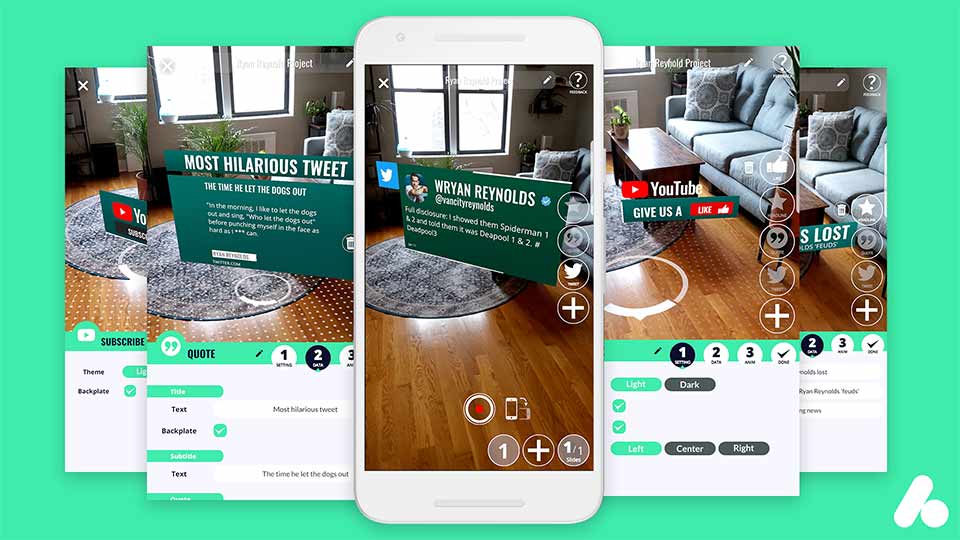
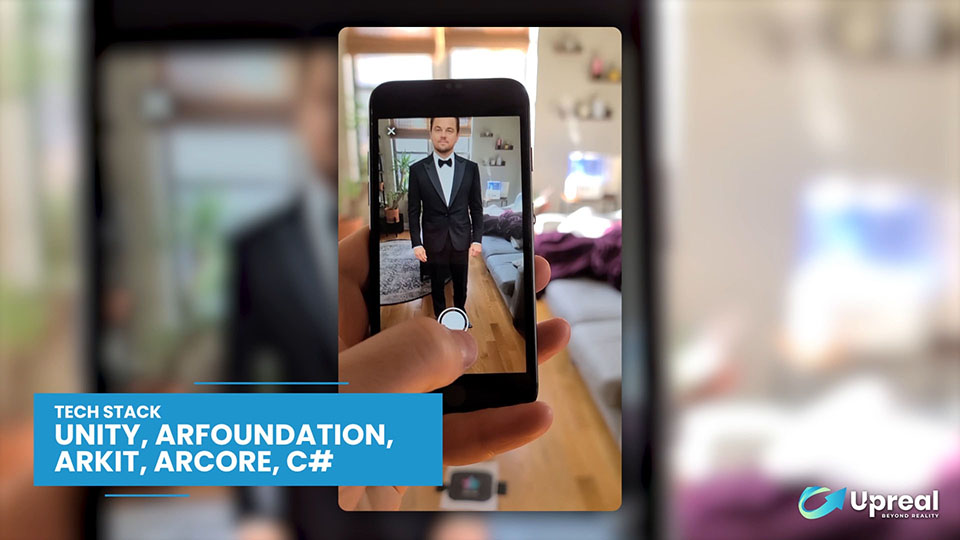
Artys – App AR

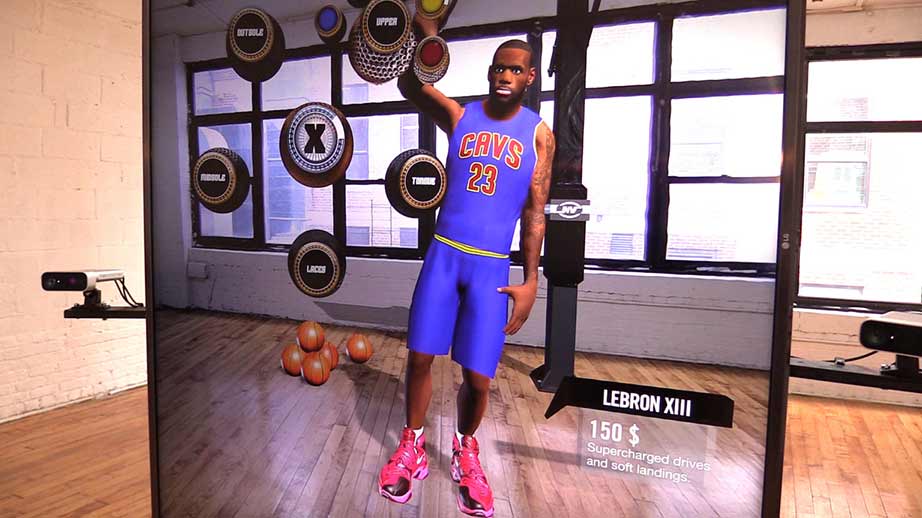
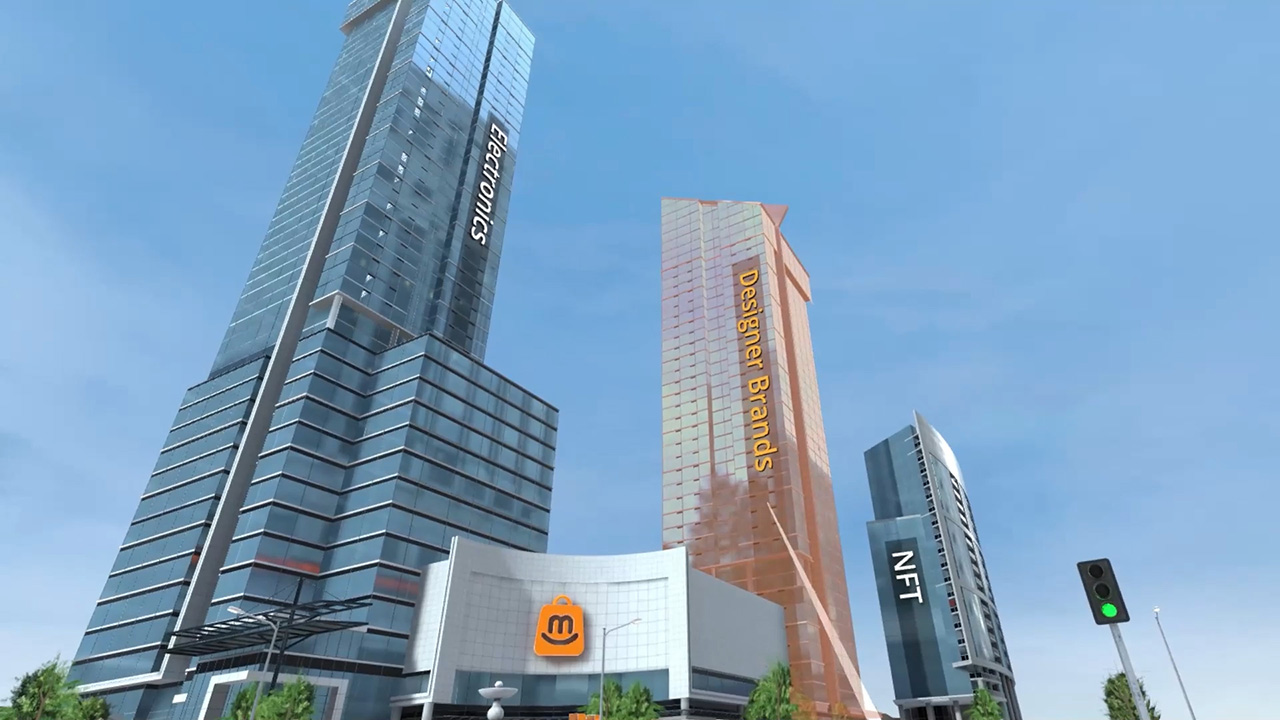
Maza Mall – VR Headset

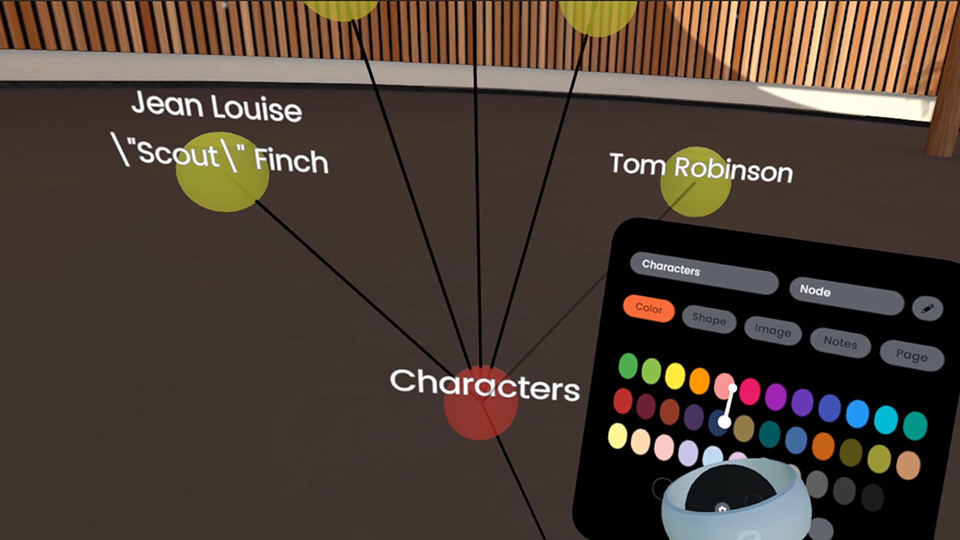
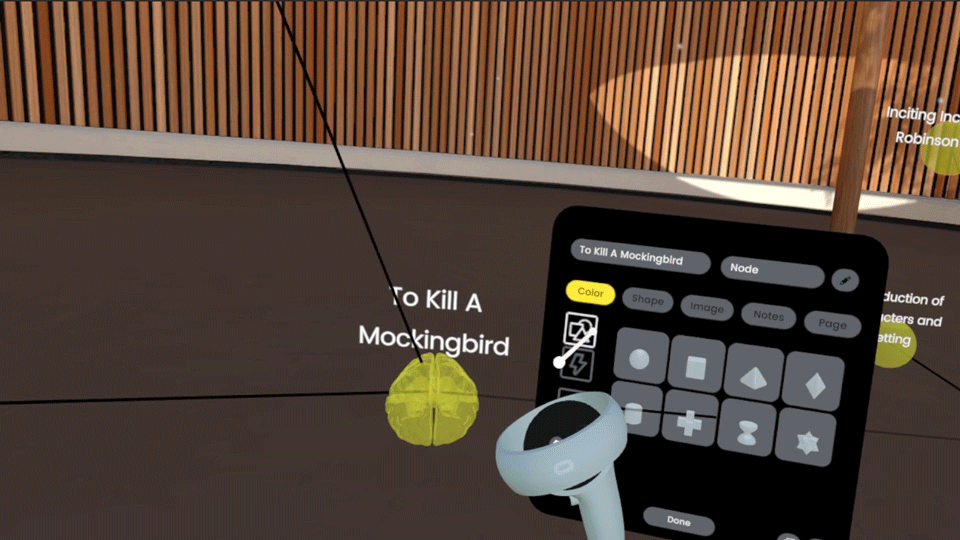
Noda – AppVR

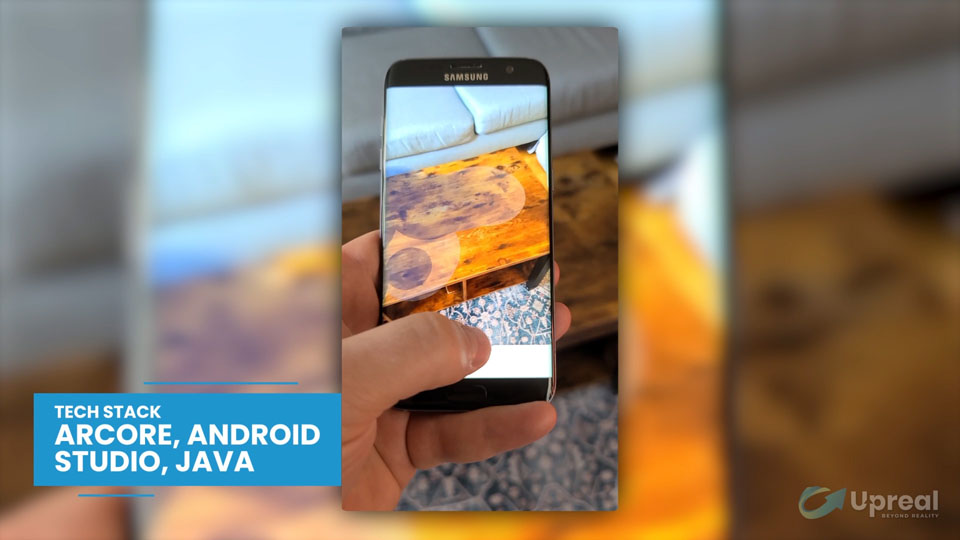
UVCeed – App AR

View all case studies

High-performance apps, deployed anywhere

End-to-end AR & VR development optimized flawlessly for headsets and mobile devices.

Our Battle-Tested Tech Stack

We build exclusively with industry-standard engines and frameworks to ensure flawless, high-fidelity real-time deployment.

Unity

Game Engine

We harness the Unity ecosystem to engineer high-performance XR experiences. By integrating AR Foundation and the XR Interaction Toolkit, we build intuitive cross-platform spaces, while utilizing Unity MARS for smart spatial data and Unity PolySpatial for next-generation spatial computing apps.

Native Android Development
Native IOS development

ARKit & ARCore

Mobile AR Frameworks

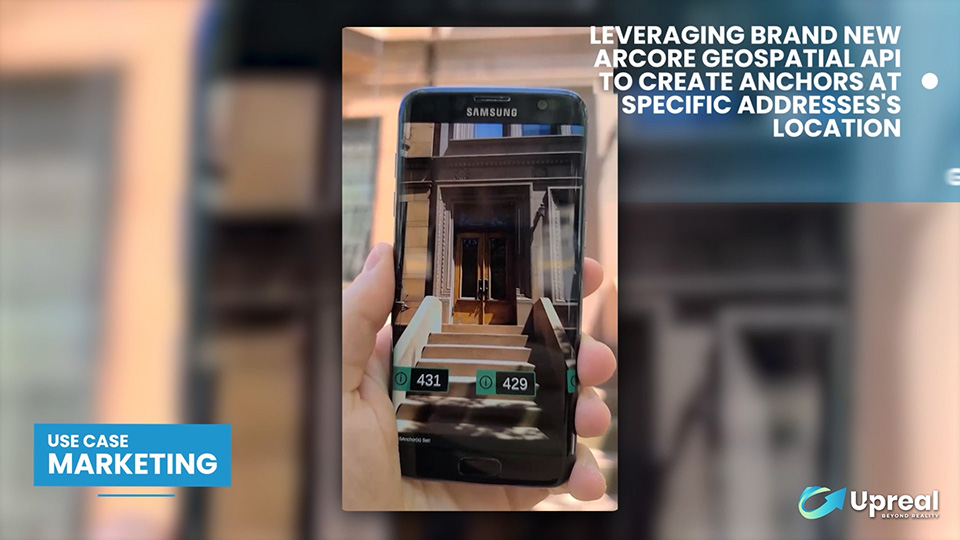
We utilize Google’s ARCore and Apple’s ARKit alongside native Java and Swift. This deep integration unlocks platform-exclusive capabilities across iOS and Android—including advanced 3D object tracking, environmental meshing, and human segmentation—ensuring your application leverages the best native mobile AR features.

Meta XR SDK + OpenXR

Developer SDKs

Our team integrates the Meta XR SDK and OpenXR framework for seamless performance on standalone and tethered hardware. This allows us to implement advanced spatial capabilities—like high-fidelity hand tracking, dynamic passthrough, and spatial audio—while ensuring your application remains open and cross-compatible across all industry-standard headsets.

Deploy Anywhere, Flawlessly

We build with cross-platform architecture to ensure your application runs natively across all major hardware ecosystems.

Meta Quest (2, 3, Pro)

Standalone Headsets

Pico (4 & Enterprise)

Standalone Headsets

Apple Vision Pro

Spatial Computing & Premium XR

HTC Vive series

Spatial Computing & Premium XR

Apple iOS

Mobile Augmented Reality

Google Android devices

Mobile Augmented Reality

Have questions?

How long does it take to develop a custom AR or VR application?

Timeline depends heavily on the complexity of the interactions, the scale of the 3D environments, and whether integration with your existing backend architecture is required. A tailored MVP (Minimum Viable Product) or prototype typically takes 4 to 12 weeks, while a fully-featured, enterprise-grade custom simulator or deployment-ready app can take 3 to 9 months.

How much does it cost to build an AR/VR app?

The cost of developing a custom XR application depends entirely on the complexity of the features, the fidelity of the 3D assets, and the depth of backend integration. Because we build custom, high-performance software natively optimized for your target devices, projects generally fall into three tiers:

  • Prototype / MVP ($5,000 – $30,000): Ideal for proof-of-concepts, or simple mobile apps using standard 3D models and straightforward user interactions.

  • Commercial & Interactive Apps ($35,000 – $75,000): This covers fully-featured multi-platform applications, immersive brand experiences, virtual showrooms, and standard training simulations with custom 3D environments, animated assets, and standalone headset optimization.

  • Enterprise-Grade & Complex Simulators ($80,000+): Tailored for high-stakes enterprise training, multiplayer VR environments, real-time data integrations, and advanced spatial computing projects (like custom Apple Vision Pro software) featuring ultra-high-fidelity graphics and complex physics.

Every project starts with a detailed technical discovery phase where we map out a strict scope of work, ensuring your application delivers maximum performance within a defined, predictable budget.

Do my users need an expensive computer or hardware to run these apps?

Not necessarily. A major benefit of our development pipeline is optimizing for standalone hardware (like the Meta Quest) or mobile devices (iPhones and Androids). These devices handle all the spatial processing internally, meaning your users do not need a tethered gaming PC. However, if your project demands ultra-high-fidelity, photorealistic enterprise simulations, we also build high-performance PC-VR applications that leverage dedicated desktop hardware.

What is augmented reality?

Augmented reality (AR) is an enhanced version of the real physical world that is achieved through the use of digital visual elements, sound, or other sensory stimuli delivered via technology.

What is virtual reality?

Virtual Reality (VR) is an immersive, computer-generated technology that completely replaces your physical surroundings with a fully digital, 3D environment.

When a user puts on a VR headset (like a Meta Quest or a Valve Index), their vision and audio are entirely isolated from the real world. Advanced motion-tracking sensors follow their head and hand movements in real time, allowing them to look around, walk through, and interact with digital objects naturally—as if they were physically there.

For businesses, VR goes far beyond gaming; it is heavily utilized for high-stakes enterprise training, architectural walkthroughs, complex medical simulations, and immersive engineering design reviews where real-world testing would be too costly or dangerous.

What does "AR" stands for?

“AR” stands for Augmented Reality, which overlays digital graphics or information onto the real world using a device like a smartphone or headset.

What does "VR" stands for?

VR is an abbreviation for Virtual Reality. It refers to an immersive, computer-generated 3D environment that completely replaces the user’s real-world surroundings. By wearing specialized hardware, users can visually explore and interact with artificial worlds in real-time.

Which virtual reality headset should I choose?

While there are dozens of hardware configurations on the market, the current industry standards are led by devices like the Meta Quest 3, Sony PlayStation VR2, Valve Index, and enterprise-grade options like the HTC Vive Pro 2.

Our top recommendation for most standard applications is the Meta Quest 3. As a standalone, all-in-one headset, it delivers incredible spatial computing capabilities, high-fidelity mixed reality passthrough, and robust performance right out of the box—all without requiring an expensive, high-end PC to run.

Which headsets and platforms do you support?

We build with a cross-platform architecture that allows your application to run natively across major hardware ecosystems. This includes standalone headsets (Meta Quest 3/Pro, Pico 4), premium spatial computing hardware (Apple Vision Pro, HTC Vive), and mobile augmented reality (iOS and Android devices via ARKit and ARCore). We focus entirely on native, high-performance applications optimized specifically for each device’s hardware capabilities.

What is the difference between AR, VR, and Mixed Reality (MR/XR)?

Virtual Reality (VR) completely immerses the user in a fully digital environment, ideal for training simulations or product walkthroughs. Augmented Reality (AR) overlays digital information onto the real world, typically via mobile screens. Mixed Reality (MR) seamlessly blends the two, letting digital 3D objects interact directly with your physical environment using advanced headset passthrough. We specialize in the entire spectrum, collectively known as XR (Extended Reality).

What development engines and tools do you use?

Our core development pipeline is built on Unity, the industry-leading engine for real-time 3D and spatial computing. To ensure maximum stability and next-gen functionality, we deeply integrate native framework tools including AR Foundation, the XR Interaction Toolkit, Unity MARS, and Unity PolySpatial. For dedicated hardware integrations, we masterfully pair the Meta XR SDK with the open-source OpenXR framework to keep your software architecture future-proof.

Let's bring your project to life

Get in touch